
How Does Texas Heat Impact Your HVAC System? What Homeowners Need to Know
Why Your Air Conditioner Works Harder During North Texas Summers
When summer arrives in North Texas, homeowners from McKinney and Frisco to Plano and Allen know exactly what to expect: long stretches of triple-digit temperatures, high humidity, and an air conditioner that rarely gets a break. While your HVAC system is designed to keep your home comfortable, extreme Texas heat can place significant strain on every component, leading to higher energy bills, reduced efficiency, and unexpected breakdowns.
At Williams Air, we help homeowners throughout North Dallas and Collin County stay comfortable through every season. Our experienced technicians understand the unique demands that Texas weather places on heating and cooling equipment. Whether you need HVAC maintenance, AC repair, air conditioning replacement, or indoor comfort upgrades like blown-in insulation, our team focuses on providing long-term solutions that improve efficiency and reliability.
As temperatures continue to climb across Texas, homeowners are asking an important question: How much does extreme heat really affect my HVAC system? The answer may surprise you. Understanding the impact of Texas heat can help you protect your investment, lower energy costs, and avoid costly repairs during the hottest months of the year.
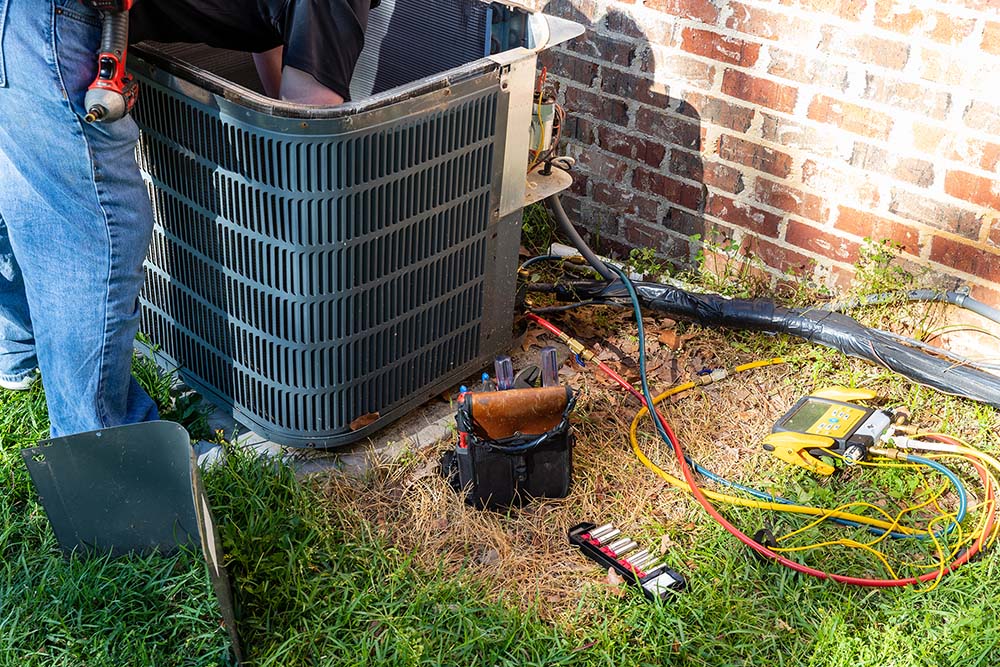
Why Texas Heat Pushes HVAC Systems to Their Limits
North Texas experiences one of the longest cooling seasons in the country. According to regional HVAC climate data, Dallas-Fort Worth averages more than 2,700 cooling degree days annually, more than twice the national average. Many air conditioning systems in the area operate over 2,200 hours each year, compared to roughly 1,000 to 1,400 hours in milder climates.
That extra runtime means your HVAC system experiences:
- Increased wear on compressors
- Higher refrigerant pressures
- More frequent cycling
- Greater stress on electrical components
- Reduced overall equipment lifespan
When outdoor temperatures exceed 95 degrees, many systems run continuously throughout the afternoon just to maintain indoor comfort. This constant workload accelerates wear and tear on critical components.
Common Signs Your AC Is Struggling in Extreme Heat
Not every cooling issue means your system is failing. However, Texas heat often exposes weaknesses that may have gone unnoticed during milder weather.
Watch for these warning signs:
Higher Than Normal Energy Bills
If your utility bill suddenly spikes, your air conditioner may be working harder than necessary. Dirty filters, aging equipment, low refrigerant levels, or poor insulation can all force your system to consume more energy.
Uneven Temperatures Throughout the Home
Hot spots upstairs or rooms that never seem to cool properly often indicate airflow problems, duct issues, or an HVAC system struggling to keep up with demand.
Longer Cooling Cycles
During extremely hot afternoons, some longer runtimes are normal. However, if your air conditioner rarely shuts off or runs all day without reaching the thermostat setting, it may need professional attention. HVAC experts note that continuous operation places additional stress on mechanical components and increases the risk of failure.
Unusual Noises or Odors
Grinding, rattling, buzzing, or burning smells should never be ignored. These symptoms often signal developing mechanical or electrical issues that can worsen quickly under extreme heat conditions.
How Heat Affects HVAC Efficiency
Your air conditioner does not create cold air. Instead, it removes heat from inside your home and transfers it outdoors.
The hotter it gets outside, the harder that process becomes.
As outdoor temperatures rise, your HVAC system must work against a smaller temperature difference, making heat transfer less efficient. Higher outdoor temperatures also increase refrigerant pressure, placing additional strain on the compressor, which is often the most expensive component to replace.
This is one reason homeowners often notice:
- Reduced cooling performance
- Higher monthly utility costs
- More frequent repair needs
- Shorter equipment lifespan
Many Texas homeowners are surprised to learn that even a well-functioning system can struggle if the home itself is not properly insulated.
The Role of Insulation in HVAC Performance
At Williams Air, we often remind homeowners that comfort starts above the ceiling.
Poor attic insulation allows heat to penetrate your home throughout the day, forcing your air conditioner to compensate continuously. Energy experts identify insulation and weatherization as some of the most effective ways to reduce cooling demand and improve efficiency during extreme heat events.
Benefits of blown-in insulation include:
- Reduced attic heat transfer
- Lower energy bills
- Improved indoor comfort
- Less strain on HVAC equipment
- More consistent temperatures throughout the home
For many North Dallas and Collin County homeowners, upgrading insulation can significantly improve HVAC performance without replacing the entire system.
Preventative Maintenance Helps Prevent Summer Breakdowns
One of the best ways to protect your HVAC investment is through regular maintenance.
Many emergency air conditioner repair calls occur during peak summer months when systems are already operating under maximum stress. Preventative maintenance allows technicians to identify small issues before they become major failures.
A professional HVAC tune-up typically includes:
- Cleaning condenser coils
- Checking refrigerant levels
- Inspecting electrical connections
- Testing system performance
- Replacing or recommending air filters
- Evaluating airflow and duct performance
Experts consistently recommend routine maintenance before summer temperatures arrive to improve efficiency and reduce the likelihood of costly repairs.
Simple Ways Homeowners Can Reduce HVAC Stress
There are several steps homeowners can take to help their systems perform better during Texas heat waves.
Replace Air Filters Regularly
Dirty filters restrict airflow and force your system to work harder. During peak cooling season, filters should be checked monthly.
Avoid Setting the Thermostat Too Low
Many homeowners believe lowering the thermostat dramatically will cool the home faster. In reality, air conditioners cool at a consistent rate, and extremely low settings only increase runtime and energy use.
Keep Outdoor Units Clear
Remove leaves, grass clippings, and debris around the condenser unit to promote proper airflow.
Seal Air Leaks
Windows, doors, and attic penetrations allow conditioned air to escape. Proper sealing helps your HVAC system maintain comfort more efficiently.
Schedule Annual HVAC Service
Routine maintenance remains one of the most effective ways to improve performance and extend equipment life.
Trust Williams Air for Total Home Comfort
Texas summers are not getting any cooler. Extreme heat places tremendous demands on HVAC systems throughout North Dallas and Collin County, making proactive maintenance and efficiency upgrades more important than ever.
Whether you need AC repair, HVAC maintenance, air conditioning replacement, heating and cooling services, or blown-in insulation, Williams Air is committed to helping homeowners stay comfortable while protecting their investment.
Our team understands the unique challenges that Texas weather creates, and we provide customized solutions designed to improve efficiency, reduce energy costs, and keep your home comfortable year-round.
Ready to protect your HVAC system from the Texas heat? Contact Williams Air today to schedule your service and learn more about our Total Home Comfort Lineup.