
Why Does My Furnace Smell Like It’s Burning When I First Turn It On?
A furnace may smell like it’s burning when you first turn it on because dust has accumulated on the heating components during months of inactivity. This is often normal, and the smell should fade quickly. However, a strong, persistent, electrical, or smoky odor may indicate a problem requiring professional furnace repair. If you smell natural gas or suspect a fire, leave the home immediately and seek emergency assistance.
As fall arrives in North Texas, homeowners begin preparing their heating systems for cooler temperatures. After months of relying on air conditioning, turning on the furnace for the first time can bring an unexpected surprise: a burning smell coming from the vents. While this is sometimes harmless, knowing the difference between normal furnace odors and potential warning signs is important for your family’s safety and comfort.
At Williams Air, we understand the unique heating and cooling needs of homeowners throughout North Dallas and Collin County. Our experienced HVAC professionals help families maintain reliable heating systems through preventive maintenance, professional inspections, and dependable heating repairs. Whether you’re preparing for the first cold front or investigating an unusual furnace smell, we’re here to help you stay comfortable and confident in your home’s heating system.
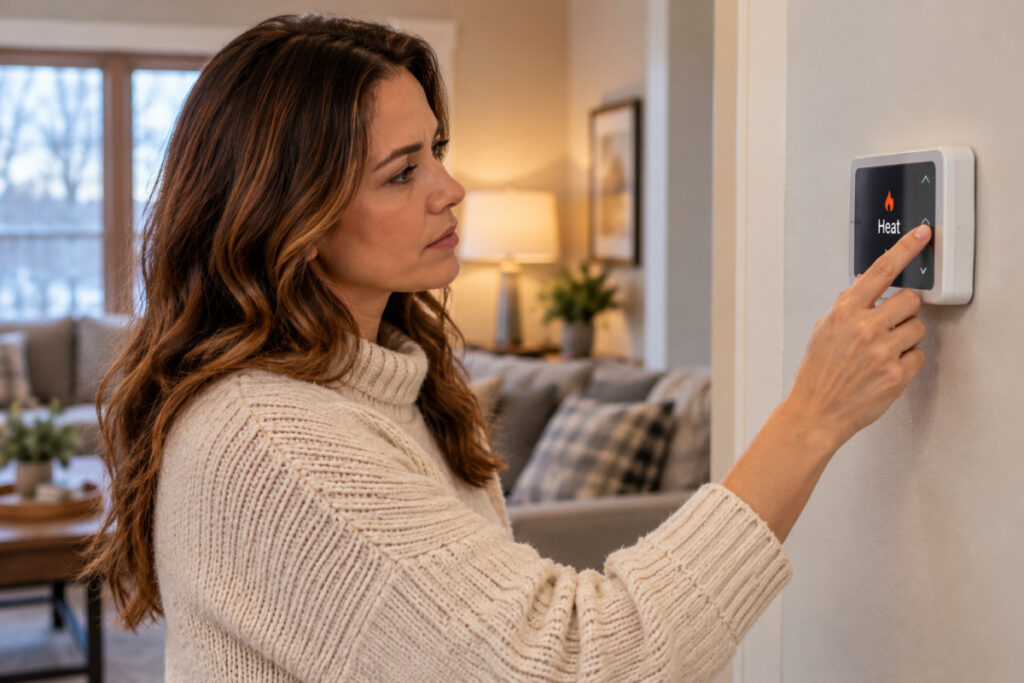
Furnace Burning Smells: What’s Normal and When Should You Worry?
Not every burning smell means your furnace is malfunctioning. Understanding what causes these odors can help you determine whether your heating system needs attention.
1. Why Does My Furnace Smell Like Burning Dust?
A mild, dusty burning smell during the first heating cycle of the season is usually caused by accumulated dust heating up.
During North Texas summers, furnaces often sit unused for several months. Dust can collect on internal heating components, and when the furnace starts running again, that dust heats up and produces a temporary burning odor.
This is especially common during October and November, when temperatures begin fluctuating between warm afternoons and chilly mornings.
Here’s what homeowners should know:
- The smell is usually temporary. A normal dust-burning odor often fades within several minutes to an hour.
- It may come through multiple vents. Airflow distributes the odor throughout the home.
- It should gradually become less noticeable. A smell that intensifies or repeatedly returns deserves attention.
- It shouldn’t produce visible smoke. Smoke, sparks, or unusually strong odors are warning signs.
If the smell disappears quickly and your furnace operates normally, accumulated dust may have been the cause. However, persistent odors should never be ignored.
2. What Furnace Smells Indicate a Serious Heating Problem?
Strong electrical, plastic, gas, or persistent smoky odors can indicate a furnace problem that requires immediate attention.
Some furnace smells are more concerning than others. Recognizing these warning signs can help prevent equipment damage and potential safety hazards.
Burning Plastic or Electrical Odors
A sharp smell resembling melting plastic or burning wires may indicate overheating electrical components, damaged wiring, or a failing motor.
Turn off the heating system if you notice this odor and contact a qualified HVAC professional.
Rotten Egg or Sulfur Smells
Natural gas is typically odorized to produce a distinctive rotten egg smell.
If you suspect a natural gas leak, leave your home immediately. Do not operate electrical switches, appliances, or your thermostat. Once outside and safely away from the building, contact your gas utility’s emergency line or 911.
Persistent Smoky or Burning Odors
A smoky smell that doesn’t disappear may indicate overheating components, airflow restrictions, or another mechanical issue.
If you notice visible smoke, shut down the system only if you can do so safely, evacuate, and contact emergency services.
Musty or Moldy Smells
Although not technically a burning smell, musty odors can indicate moisture accumulation or microbial growth in parts of the HVAC system.
A professional inspection can help identify the source and determine whether cleaning or repairs are necessary.
3. What Should You Do If Your Furnace Smells Like It’s Burning?
If your furnace produces an unusual burning smell, identify whether the odor is mild and temporary or strong and potentially dangerous before continuing to operate the system.
For a mild dust-like smell during the first heating cycle, homeowners can take several practical steps.
Step 1: Check Your Air Filter
A clogged air filter restricts airflow and may contribute to overheating.
Inspect your filter and replace it if it’s dirty. Many filters require replacement every one to three months, depending on the filter type, household conditions, and manufacturer recommendations.
Step 2: Monitor the Odor
If the smell resembles ordinary heated dust, is mild, and begins fading quickly, it may simply be the result of seasonal dust accumulation.
Do not continue running the furnace to test a strong or suspicious smell.
Step 3: Check for Unusual Sounds or Performance Issues
Pay attention to warning signs such as:
- Loud buzzing, grinding, or rattling noises
- Weak airflow from supply vents
- Frequent furnace shutdowns
- Uneven heating throughout the home
- Unusual odors that return during multiple heating cycles
These symptoms may indicate a need for professional heating repair.
Step 4: Schedule Professional Furnace Service
If the odor persists, returns, or accompanies unusual performance, turn off the heating system and schedule an inspection.
A trained technician can evaluate the furnace and identify potential safety or mechanical concerns.
4. Can a Furnace Tune-Up Prevent Burning Smells?
A professional furnace tune-up can reduce preventable heating problems by identifying dust buildup, airflow restrictions, and worn components before they cause trouble.
Although a tune-up cannot guarantee that every seasonal odor will disappear, regular HVAC maintenance can improve system reliability and help identify developing problems.
According to the U.S. Department of Energy, proper heating and cooling system maintenance includes inspecting filters and addressing airflow restrictions that can reduce efficiency.
During a professional furnace maintenance appointment, an HVAC technician may:
- Inspect heating components and electrical connections
- Check the air filter and airflow
- Evaluate blower motor operation
- Inspect accessible components for signs of overheating
- Check safety controls and heating performance
- Examine combustion-related components on gas furnaces
- Identify worn or damaged parts that may require repair
For homeowners throughout North Dallas and Collin County, scheduling furnace maintenance before colder weather arrives can help reduce the risk of unexpected heating interruptions.
5. Why Is October a Good Time for Heating Maintenance in North Texas?
October is an ideal time to schedule furnace service in North Texas because homeowners can address heating concerns before the season’s colder temperatures arrive.
Unlike regions with consistently cold autumn weather, North Texas frequently experiences dramatic temperature changes. Homeowners may use air conditioning one afternoon and need heating the following morning.
These seasonal transitions can reveal problems that went unnoticed while the heating system was inactive.
Scheduling preventive maintenance in October offers several advantages:
- Early problem detection: Identify worn components before heating demand increases.
- Improved reliability: Help ensure your furnace is ready when temperatures drop.
- Better energy efficiency: Address maintenance issues that can make heating systems work harder.
- Greater peace of mind: Know that your system has been professionally inspected before winter.
Whether your home uses a gas furnace, electric heating system, or heat pump, proactive maintenance helps support dependable comfort throughout the colder months.
Frequently Asked Questions About Furnace Burning Smells
Is it normal for a furnace to smell like burning when first turned on?
Yes. A mild burning-dust smell is common during the first heating cycle after months of inactivity. It should fade relatively quickly. Strong, persistent, or unusual odors should be investigated.
How long should a burning smell last after turning on the heat?
A normal dust-burning smell often disappears within several minutes to an hour. If the odor continues, intensifies, or returns repeatedly, turn off the system and schedule professional furnace service.
Can a dirty furnace filter cause a burning smell?
Yes. A severely clogged air filter can restrict airflow and contribute to overheating, potentially triggering unusual odors or safety shutdowns. Replacing a dirty filter may help, but persistent burning smells require professional inspection.
Should I turn off my furnace if it smells like burning plastic?
Yes. A burning plastic or electrical smell may indicate overheating wiring, a motor problem, or damaged components. Turn off the furnace and contact an HVAC professional before operating it again.
Keep Your North Texas Home Safe and Comfortable With Williams Air
A mild burning smell when you first turn on your furnace may be nothing more than accumulated dust. However, persistent or unusual odors should never be ignored.
At Williams Air, we’re committed to helping North Texas homeowners enjoy safe, dependable heating throughout the fall and winter seasons. From preventive furnace tune-ups to professional heating repairs, our team is ready to help you identify problems and keep your system operating reliably.
Concerned About a Burning Smell From Your Furnace?
Don’t wait for a small heating concern to become a bigger problem. Schedule professional furnace service with Williams Air and enjoy greater peace of mind before the next North Texas cold front.
Contact Williams Air Today to Schedule Heating Service