
How Do You Know If You Should Repair or Replace Your HVAC System?
If your HVAC system is relatively new, has been reliable, and needs a minor fix, repair is usually the better choice. HVAC replacement becomes more practical when the system is older, requires frequent or expensive repairs, struggles to keep your home comfortable, or causes rising energy bills. A professional HVAC inspection can help determine which option offers the best long-term value.
At Williams Air, we know homeowners do not want to replace heating and cooling equipment before it is necessary. At the same time, repeatedly investing in an aging, unreliable system can become expensive and frustrating. Our goal is to help you understand the condition of your equipment and make an informed decision based on repair costs, system age, efficiency, comfort, and expected reliability. Whether you need HVAC repair, HVAC replacement, or routine HVAC service, Williams Air focuses on practical solutions designed around your home’s comfort needs.
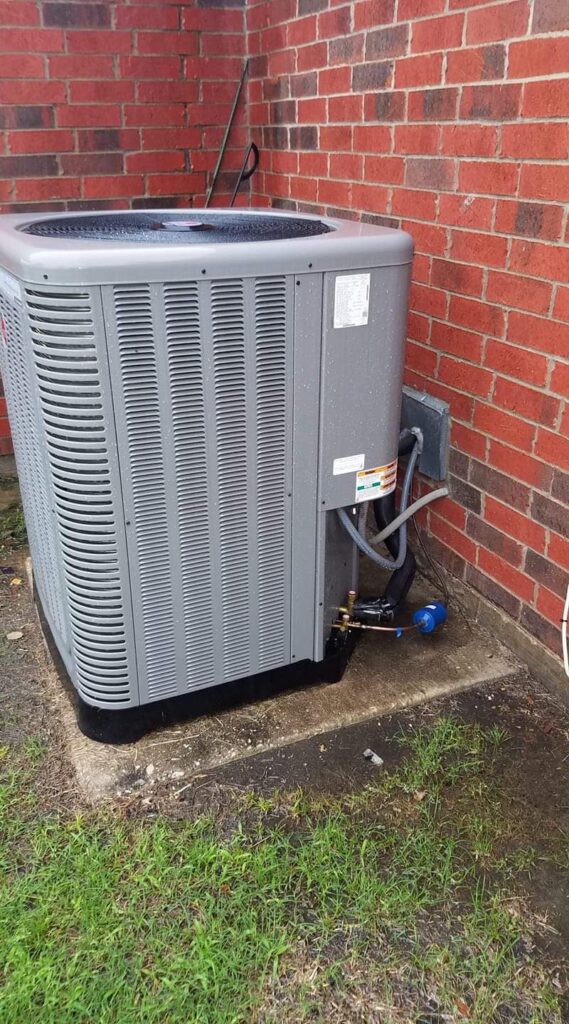
HVAC Repair vs. Replacement: Which Option Makes More Sense?
The decision between HVAC repair and replacement should be based on the overall condition and economics of the system, not one problem alone. Age is important, but repair history, efficiency, comfort, and the cost of the current repair all help determine whether fixing the equipment is still worthwhile.
ENERGY STAR recommends considering replacement when a heat pump or air conditioner is more than 10 years old, or when HVAC equipment needs frequent repairs while energy bills are increasing.
When Is HVAC Repair the Better Choice?
HVAC repair generally makes sense when the equipment still has useful life remaining and the problem is isolated and affordable to correct.
Repair may be the better option when:
- The system is relatively young and has otherwise been dependable.
- The repair involves a minor or commonly replaced component.
- Your heating and cooling costs have remained reasonably consistent.
- The system normally maintains the temperature you set.
- You have not experienced repeated breakdowns.
- The repair cost is reasonable compared with the cost and benefits of a new system.
For example, a faulty capacitor, thermostat issue, clogged drain, or another relatively minor problem does not automatically mean you need a new HVAC installation. A qualified HVAC contractor can diagnose the underlying issue and determine whether a straightforward repair can restore dependable operation.
Routine HVAC maintenance also matters. ENERGY STAR recommends annual servicing of cooling equipment to help it operate efficiently, and notes that dirty filters can restrict airflow and force the system to work harder.
When Should You Consider HVAC Replacement?
Replacement deserves serious consideration when your HVAC system is becoming less reliable, less efficient, or increasingly expensive to maintain.
According to ENERGY STAR, an air conditioner or heat pump that is more than 10 years old should be evaluated for replacement. Furnaces and boilers over 15 years old are also candidates for replacement, particularly when performance or reliability is declining.
Common warning signs include:
- Frequent AC repair, furnace repair, or heat pump repair
- Increasing utility bills without a major change in how you use your home
- Hot and cold spots throughout the house
- Difficulty maintaining your thermostat setting
- Excessive cycling or unusually long run times
- Humidity or comfort problems
- Expensive repairs involving major components
- A system that has become increasingly noisy or unreliable
Replacing an older system can also create an opportunity to improve energy efficiency. The U.S. Department of Energy’s Federal Energy Management Program uses an average 18-year life for residential central air conditioners in its life-cycle cost analysis and notes that higher-efficiency equipment can reduce lifetime energy costs.
Does an Older HVAC System Always Need to Be Replaced?
No. Age is an important factor, but it should not be the only reason to replace an HVAC system.
A well-maintained older unit that still operates efficiently and needs only an inexpensive repair may continue to provide good service. On the other hand, a system that is approaching or beyond the typical replacement window and needs a major repair may not be a good candidate for another large investment.
Think about the system as a whole. Ask:
- How old is the equipment? Older systems have fewer years available to recover the cost of a major repair.
- How often has it needed service? Multiple repairs can signal declining reliability.
- How expensive is this repair? A major repair changes the economics of keeping an older system.
- Are energy bills increasing? Higher operating costs can make replacement more attractive.
- Is the home still comfortable? Persistent temperature or humidity problems may point to broader HVAC, duct, air sealing, or insulation issues.
ENERGY STAR specifically notes that uneven temperatures can sometimes result from duct problems or inadequate insulation rather than the heating and cooling equipment itself. That is why an accurate diagnosis should come before a replacement recommendation.
What Should You Consider Before Paying for a Major HVAC Repair?
Before investing in an expensive repair, compare what you are spending today with what you are likely to spend over the next several years.
A repair may solve the immediate breakdown, but it does not reset the age of the rest of the equipment. If another major component fails soon afterward, you could end up paying for multiple repairs before eventually purchasing a replacement anyway.
Consider these questions before approving a major HVAC repair:
- How many more years of dependable operation can reasonably be expected?
- Does the system have a history of repeated service calls?
- Will the repair restore reliable performance or simply address one symptom?
- How efficient is the existing equipment compared with current options?
- Would new equipment improve comfort, humidity control, or reliability?
- Are there problems elsewhere in the home, such as duct leakage or inadequate insulation, that should also be addressed?
The Department of Energy notes that installation quality is also critical. Problems such as oversizing, improper refrigerant charging, and leaky ducts can reduce efficiency, hurt comfort, and shorten equipment life. Choosing the right HVAC company is therefore just as important as choosing the equipment.
How Can You Avoid Replacing Your HVAC System Too Soon?
Regular maintenance and early repairs can help protect your heating and cooling system and reduce unnecessary strain.
Homeowners can help by changing filters as recommended, keeping outdoor equipment clear of debris, paying attention to unusual noises or performance changes, and scheduling professional HVAC maintenance. Do not ignore a system that suddenly runs longer, cycles differently, or struggles to maintain temperature.
Your home’s ductwork and insulation can also affect HVAC performance. ENERGY STAR reports that sealing and insulating ductwork can improve heating and cooling efficiency by as much as 20 percent, and sometimes more.
That broader view of home comfort is important. Sometimes the best solution is AC repair or furnace service. In other situations, HVAC replacement, duct improvements, or blown-in insulation may provide better long-term results.
Frequently Asked Questions About HVAC Repair and Replacement
Is it worth repairing a 10-year-old air conditioner?
It can be. A minor repair on an otherwise reliable 10-year-old AC may still make sense, but ENERGY STAR recommends considering replacement once an air conditioner or heat pump is more than 10 years old, especially when repairs become frequent or energy costs rise.
How many HVAC repairs are too many?
There is no universal number. If repairs are becoming frequent, expensive, or disruptive, compare their cumulative cost with the expected reliability, efficiency, and warranty benefits of HVAC replacement.
Why is my HVAC system running but not keeping my house comfortable?
The cause could be an equipment problem, but it could also involve airflow, duct leakage, insulation, air sealing, or improper system sizing. A professional evaluation can identify the cause before you invest in repair or replacement.
Should I replace my HVAC system before it completely fails?
If the system is older, unreliable, inefficient, or already showing signs of major problems, planned replacement can be preferable to waiting for an emergency breakdown. Planning ahead gives you more time to compare HVAC installation options instead of making a rushed decision when heating or cooling suddenly stops.
Get a Clear Answer From Williams Air
Still wondering whether you need HVAC repair or replacement? Williams Air can evaluate your heating and air conditioning system, explain what is causing the problem, and help you compare your options.
Whether the right solution is AC repair, furnace repair, heat pump service, HVAC maintenance, or a complete HVAC replacement, our team is here to help you make a confident decision based on comfort, reliability, and long-term value.
Ready to find out whether you should repair or replace your HVAC system? Contact Williams Air today to schedule service.