Why Does My Furnace Blow Cold Air When I First Turn On the Heat?
If your furnace blows cold air when you first turn on the heat, it may be part of the normal startup process. Many furnaces take 30 to 90 seconds to warm up before delivering heated air. However, if cold air continues for several minutes, the problem could involve thermostat settings, restricted airflow, ignition issues, or a malfunctioning heating component.
When the first chilly mornings arrive in North Texas, the last thing you want is cold air coming from your vents when you’re expecting warmth. After months of relying on air conditioning, switching your HVAC system to heating mode should be simple. But sometimes, homeowners notice cool air blowing instead of the cozy warmth they expect.
At Williams Air, we understand how frustrating unexpected heating problems can be, especially when temperatures drop. Our experienced HVAC technicians help homeowners identify furnace problems, restore reliable heating, and keep their systems running efficiently.
The good news is that not every blast of cold air means something is wrong. Understanding what’s normal, what needs attention, and when to schedule professional furnace repair can help you avoid unnecessary worry and costly breakdowns.
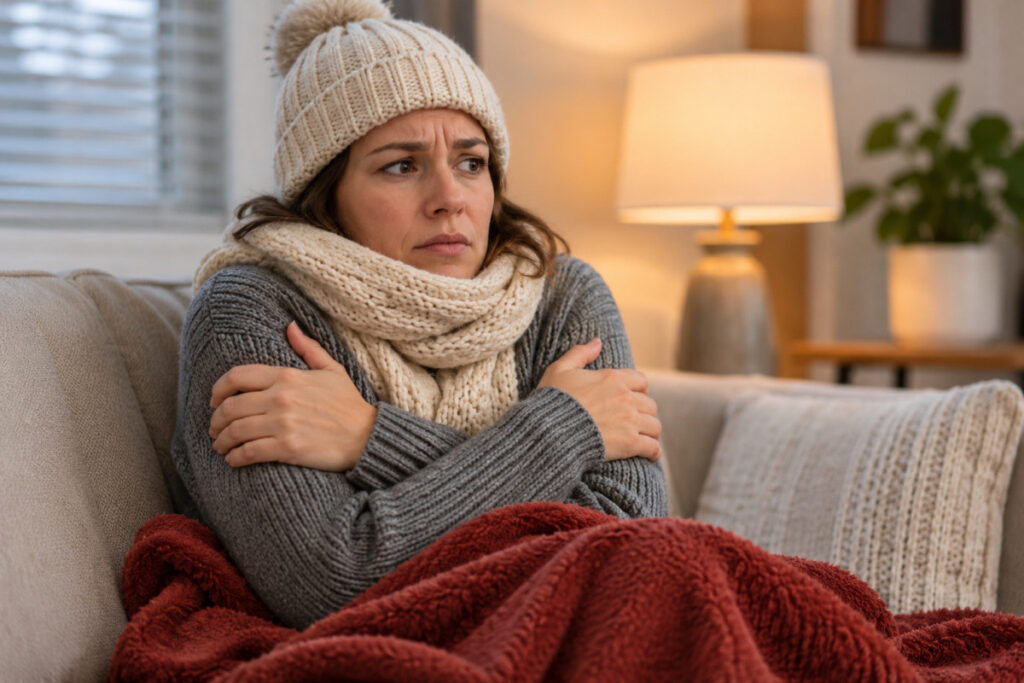
Furnace Blowing Cold Air? Here’s What’s Normal and What Isn’t
Is It Normal for a Furnace to Blow Cold Air When It First Starts?
Yes, a brief period of cool airflow can be normal when a furnace first starts, depending on the type of heating system and how its blower is controlled.
When you turn on your heat, your furnace follows a startup sequence before delivering warm air throughout your home. In many gas furnaces, the ignition system activates, the burners begin heating the heat exchanger, and the blower starts once the system is ready.
During this process, you might notice:
- A short delay before warm air reaches your vents.
- Slightly cool air as the system begins circulating air.
- A gradual increase in air temperature as the heating cycle continues.
Some furnaces delay blower operation until the heat exchanger warms up, so you may not notice any cool airflow at all.
What’s normal? A brief startup delay or a short period of cool airflow.
What’s not normal? Air that stays cold throughout the heating cycle or a furnace that never reaches your thermostat’s temperature setting.
Why Does My Furnace Keep Blowing Cold Air Instead of Heat?
If your furnace continues blowing cold air, several common HVAC problems could be responsible.
1. Incorrect thermostat settings
One of the simplest explanations is that your thermostat’s fan setting is switched to “ON” instead of “AUTO.”
When set to “ON,” the blower may run continuously, even when the furnace isn’t actively heating. This can make your vents feel cold between heating cycles.
Try switching the fan setting to “AUTO” so the blower operates according to your system’s heating controls.
2. Dirty or clogged air filter
A restricted air filter reduces airflow through your furnace. In some systems, this can cause overheating and trigger a safety limit switch that shuts off the burners while the blower continues running.
The result may be cool air coming from your vents.
According to the U.S. Department of Energy, replacing a dirty, clogged filter can lower your air conditioner’s energy consumption by 5% to 15%. Although this statistic specifically concerns cooling efficiency, it reinforces the importance of maintaining proper airflow throughout your HVAC system.
3. Ignition or burner problems
Gas furnaces depend on properly functioning ignition components and burners to produce heat.
If the ignition system fails or the burners don’t stay lit, your furnace may circulate air without heating it. These problems require professional diagnosis.
4. Heat pump operating conditions
If your home uses a heat pump rather than a traditional gas furnace, the air coming from your vents may feel cooler than expected.
Heat pumps generally deliver air at a lower temperature than gas furnaces, even while heating your home effectively. During defrost cycles, the system may also temporarily change operation.
However, prolonged cold airflow or an inability to maintain indoor temperatures may indicate a problem.
What Should I Check Before Calling for Furnace Repair?
Before scheduling professional heating repair, homeowners can safely check a few basic things.
- Check your thermostat. Confirm it’s set to “HEAT” and the desired temperature is above the current indoor temperature.
- Set the fan to AUTO. This prevents unnecessary blower operation between heating cycles on many systems.
- Inspect your air filter. Replace a dirty filter with the correct size and type recommended for your system.
- Check your vents. Make sure supply registers and return air grilles aren’t blocked by furniture, rugs, or other household items.
- Give the system a few minutes. A normal startup delay may explain the initial cool airflow.
If your furnace still isn’t producing warm air, it’s time to contact an HVAC professional.
Avoid attempting to repair gas valves, ignition components, electrical connections, or internal safety controls yourself.
If you smell natural gas, leave the home immediately and contact your gas utility or emergency services from a safe location. If a carbon monoxide alarm sounds, evacuate and seek emergency assistance.
When Does Cold Air Mean You Need Professional Furnace Repair?
Persistent cold airflow, repeated shutdowns, and inconsistent heating are signs that your furnace may need professional attention.
Watch for these warning signs:
- Your furnace runs continuously without warming your home.
- Warm air starts flowing but quickly turns cold.
- Your system repeatedly turns on and off.
- You hear unusual banging, rattling, or clicking sounds.
- Your thermostat setting isn’t being reached.
- Your heating bills increase without an obvious explanation.
These symptoms can indicate problems with airflow, ignition components, sensors, or other heating system parts.
A professional furnace service appointment allows a technician to identify the underlying issue instead of simply treating the symptom.
At Williams Air, our goal is to help homeowners understand their heating problems and make informed decisions about necessary repairs.
Can a Furnace Tune-Up Prevent Cold Air Problems?
Regular furnace maintenance can help reduce the risk of unexpected heating problems by identifying worn components, airflow restrictions, and operational concerns before they lead to a breakdown.
During a professional furnace tune-up, an HVAC technician may:
- Inspect the ignition system and burner operation.
- Check the heat exchanger for visible signs of damage.
- Evaluate airflow and filter condition.
- Test thermostat operation and heating controls.
- Inspect electrical connections and safety components.
- Verify proper heating performance.
According to the U.S. Department of Energy, maintaining heating and cooling equipment is important for efficient operation and system longevity.
Scheduling a furnace tune-up before colder weather arrives gives homeowners an opportunity to address potential issues before they need dependable heating.
For North Texas homeowners, where fall temperatures can shift quickly from warm afternoons to chilly evenings, preventive heating maintenance is a practical way to prepare for winter.
Frequently Asked Questions About Furnaces Blowing Cold Air
How long should a furnace blow cold air before warming up?
A furnace may need approximately 30 to 90 seconds to begin delivering warm air, depending on its design. If cold air continues for several minutes without improvement, the system may need attention.
Can a dirty furnace filter cause cold air to blow?
Yes. A severely clogged filter can restrict airflow and cause certain furnaces to overheat. A safety control may shut off the burners while the blower continues operating.
Should I turn off my furnace if it’s blowing cold air?
If your furnace continuously blows cold air and isn’t heating your home, turn off the heating demand at the thermostat and contact a professional. Never repeatedly reset a furnace that keeps shutting down.
How often should I schedule a furnace tune-up?
Most homeowners should schedule professional furnace maintenance once a year, ideally before the heating season. Annual inspections help identify developing problems and support reliable heating performance.
Stay Warm and Comfortable with Williams Air
A furnace blowing cold air doesn’t always mean you need an expensive repair. Sometimes, the solution is as simple as adjusting your thermostat or replacing a dirty air filter. Other times, professional service is necessary to restore safe, dependable heating.
At Williams Air, we’re committed to helping homeowners enjoy reliable indoor comfort throughout the colder months.
Is your furnace blowing cold air instead of heat? Contact Williams Air today to schedule professional furnace repair or heating maintenance and get your home feeling comfortable again!