
Why Does Your HVAC System Work Harder in DFW?
HVAC systems work harder in DFW because prolonged summer heat increases the amount of heat entering a home and forces air conditioners to run longer to maintain comfortable indoor temperatures. Poor insulation, duct leakage, dirty filters, airflow problems, direct sunlight, and aging equipment can increase that workload even further, leading to higher energy use and greater wear on the system.
At Williams Air, we understand how demanding North Texas weather can be on heating and cooling equipment. Long stretches of high temperatures can expose weaknesses that might go unnoticed during milder weather, from restricted airflow to inadequate attic insulation. Our approach to home comfort looks beyond the air conditioner itself. Whether your home needs HVAC maintenance, AC repair, duct improvements, insulation, or a more efficient HVAC replacement, Williams Air can help identify what is making your system work harder and recommend practical ways to improve comfort, efficiency, and reliability.
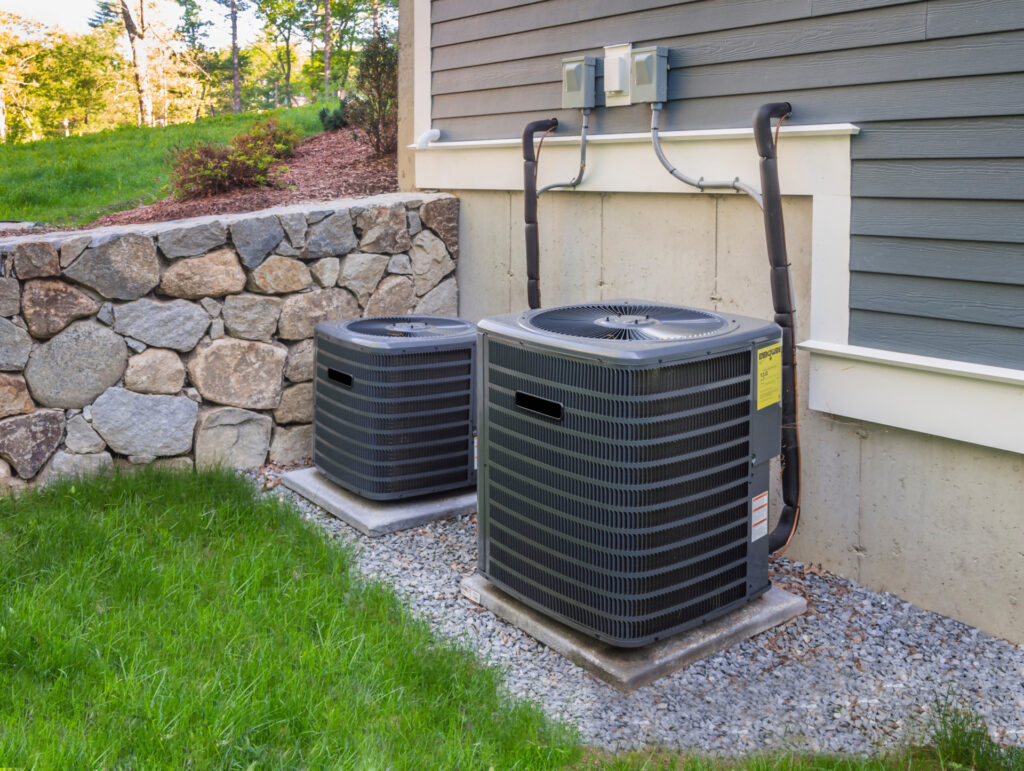
Why Your Air Conditioner Runs So Much During DFW Summers
DFW summers create a significant cooling load because your HVAC system must continually remove heat entering the home while outdoor temperatures remain high.
The National Weather Service reports that the average first 100°F day at Dallas/Fort Worth occurs around July 1, while the average last 100°F day occurs around August 27. DFW has also experienced extreme years, including 2011, when the area recorded 71 days at or above 100°F.
That sustained heat helps explain why an air conditioner can seem to run constantly during the hottest part of summer. Longer run times are not automatically a sign that something is wrong. However, excessive run times combined with poor cooling, unusual noises, rising utility costs, or weak airflow can indicate that the system needs professional attention.
Why Does Extreme Heat Make an AC Work Harder?
The hotter it gets outside, the more heat your air conditioner must remove from your home to maintain the temperature set on your thermostat.
Heat continually enters through:
- The attic and roof
- Exterior walls
- Windows and doors
- Air leaks around the home
- Ductwork in hot, unconditioned spaces
Your household also generates heat through cooking, appliances, lighting, and everyday activities. When outdoor temperatures remain extremely high for hours at a time, the AC has less opportunity to cycle off.
This additional workload matters because heating and cooling already represents a major portion of residential energy use. According to ENERGY STAR, nearly half of the energy used in a typical home goes toward heating and cooling.
Keeping your HVAC system operating efficiently can therefore have a noticeable impact on both comfort and energy costs.
Could Your Attic and Ductwork Be Making the Problem Worse?
Yes. An under-insulated attic and leaky ductwork can make an HVAC system work harder, particularly when ducts travel through a hot attic.
ENERGY STAR reports that a typical home’s duct system can lose about 20 to 30 percent of the air moving through it because of leaks, holes, and poorly connected ducts. That lost conditioned air can contribute to higher utility bills and rooms that are difficult to cool.
Attic insulation is another important part of the equation. When insulation is inadequate, more outdoor heat can transfer into the conditioned areas of the home. Your AC then has to remove that additional heat.
Signs your home may have ductwork or insulation problems include:
- Certain rooms are consistently warmer than others.
- Your AC runs for long periods without reaching the thermostat setting.
- Summer electricity bills seem unusually high.
- Upstairs rooms become particularly uncomfortable.
- Ducts run through an extremely hot attic.
- The home struggles to stay comfortable even though the AC appears to be working.
This is why Williams Air takes a total-home approach to comfort. Blown-in insulation and duct improvements can sometimes reduce the workload on HVAC equipment instead of asking the AC to compensate for problems elsewhere in the home.
Does a Dirty Air Filter Really Make Your HVAC System Work Harder?
Yes. A dirty filter restricts airflow, which makes the HVAC system work harder to circulate conditioned air throughout your home.
ENERGY STAR recommends checking HVAC filters monthly, especially during periods of heavy summer and winter use. According to the agency, dirty filters slow airflow, waste energy, and can contribute to equipment problems or premature system failure.
Airflow problems can extend beyond the filter. Dirty coils, blocked vents, blower issues, and duct restrictions can also reduce performance. ENERGY STAR reports that airflow problems can reduce HVAC efficiency by up to 15 percent.
During a DFW summer, these seemingly small problems become more important because the system is already operating under a heavy cooling load.
Homeowners can help by:
- Checking the air filter regularly.
- Keeping supply and return vents unobstructed.
- Keeping leaves, grass, and debris away from the outdoor unit.
- Scheduling regular HVAC maintenance.
- Calling for AC service when cooling performance suddenly changes.
How Can You Tell If Your AC Is Working Too Hard?
An AC that runs frequently during extreme DFW heat can be normal, but a system that runs constantly without keeping the home comfortable deserves attention.
Watch for these warning signs:
- The thermostat setting is rarely reached. Your AC may be losing ground against the home’s cooling load.
- Energy bills increase unexpectedly. Longer run times or declining efficiency may increase electricity consumption.
- Airflow feels weak. A filter, blower, coil, or duct problem may be restricting circulation.
- Some rooms remain noticeably warmer. Duct leakage, airflow problems, air leaks, or insulation deficiencies may be involved.
- The system cycles on and off rapidly. Improper sizing or equipment problems can contribute to short cycling.
- You need frequent AC repairs. Repeated problems can indicate that an aging system is reaching the point where AC replacement should be considered.
ENERGY STAR recommends having equipment evaluated if it is more than 10 years old or is no longer keeping the home comfortable.
The important step is determining why the system is struggling before deciding on a solution.
What Can DFW Homeowners Do to Reduce HVAC Strain?
Reducing HVAC strain requires improving both the equipment and the home’s ability to hold onto conditioned air.
Start with these practical steps:
- Schedule preventive HVAC maintenance. Clean coils, proper refrigerant levels, and good airflow help equipment operate more efficiently.
- Change dirty filters. This is one of the simplest ways to protect airflow.
- Evaluate ductwork. ENERGY STAR says sealing and insulating ducts can improve heating and cooling efficiency by as much as 20 percent, and sometimes more.
- Check attic insulation. Adequate insulation helps slow heat transfer from the attic into your living space.
- Use your thermostat wisely. Avoid repeatedly making dramatic temperature changes in an attempt to cool the house faster.
- Have aging equipment evaluated. Older systems that struggle during hot weather may need AC repair or eventual HVAC replacement.
If your air conditioner cannot keep up, do not automatically assume you need a larger unit. ENERGY STAR warns that oversized HVAC equipment can cycle too frequently, reducing comfort and potentially shortening equipment life. Proper sizing should account for the actual characteristics of the home rather than relying on a simple rule of thumb.
Frequently Asked Questions About HVAC Performance in DFW
Is it normal for my AC to run all day when it’s extremely hot?
Longer AC cycles can be normal during extreme heat, especially when outdoor temperatures remain near or above 100°F. If the system runs continuously and cannot maintain a reasonable indoor temperature, however, it should be inspected for equipment, airflow, duct, or insulation problems.
What temperature should I set my AC to during a DFW heat wave?
Choose a comfortable, reasonable setting and avoid constantly lowering the thermostat when the home does not cool quickly enough. Lowering the setting does not correct problems such as dirty coils, restricted airflow, duct leakage, or inadequate insulation.
Why is my upstairs hotter than downstairs in summer?
Hot upstairs rooms can result from heat entering through the attic, insufficient insulation, duct leakage, airflow imbalance, or HVAC design issues. ENERGY STAR specifically identifies duct problems and inadequate insulation as potential causes of rooms that remain too hot or too cold.
Can HVAC maintenance help my AC handle DFW heat?
Yes. Regular maintenance can help the system operate at its intended efficiency and catch problems before peak cooling demand exposes them. ENERGY STAR recommends yearly HVAC tune-ups and regular filter checks to support efficiency and comfort.
Help Your HVAC System Handle the DFW Heat
DFW heat can push even a properly functioning HVAC system hard, but your air conditioner should not have to fight dirty filters, poor airflow, leaking ducts, inadequate insulation, or neglected maintenance at the same time.
Williams Air can help identify what is placing unnecessary strain on your heating and cooling system and recommend the right solution, whether that means HVAC maintenance, air conditioning repair, duct improvements, blown-in insulation, or HVAC replacement.
Is your AC struggling to keep up with the DFW heat? Contact Williams Air today to schedule HVAC service and find out what may be making your system work harder.