
How Can You Tell Whether Your Attic Needs More Blown-In Fiberglass Insulation?
Your attic may need more blown-in fiberglass insulation if you notice uneven indoor temperatures, rising energy bills, exposed ceiling joists, or an HVAC system that struggles to maintain comfortable temperatures. Measuring your existing insulation and determining its R-value can help identify whether additional insulation would improve your home’s energy efficiency and year-round comfort.
At Williams Air, we believe total home comfort starts with more than just a reliable heating and cooling system. As a local, family-owned HVAC company serving North Dallas and Collin County, we understand the challenges homeowners face when dealing with extreme Texas summer heat and sudden winter cold fronts.
Our professionally installed blown-in fiberglass insulation helps homeowners maintain more consistent indoor temperatures, reduce energy waste, and minimize unnecessary strain on their HVAC systems.
As part of our comprehensive home comfort services, attic insulation complements our heating and air conditioning solutions to improve comfort from the top down. With a commitment to quality workmanship, integrity, and honest recommendations, Williams Air helps homeowners determine whether their existing insulation is sufficient or whether an upgrade could provide lasting benefits.
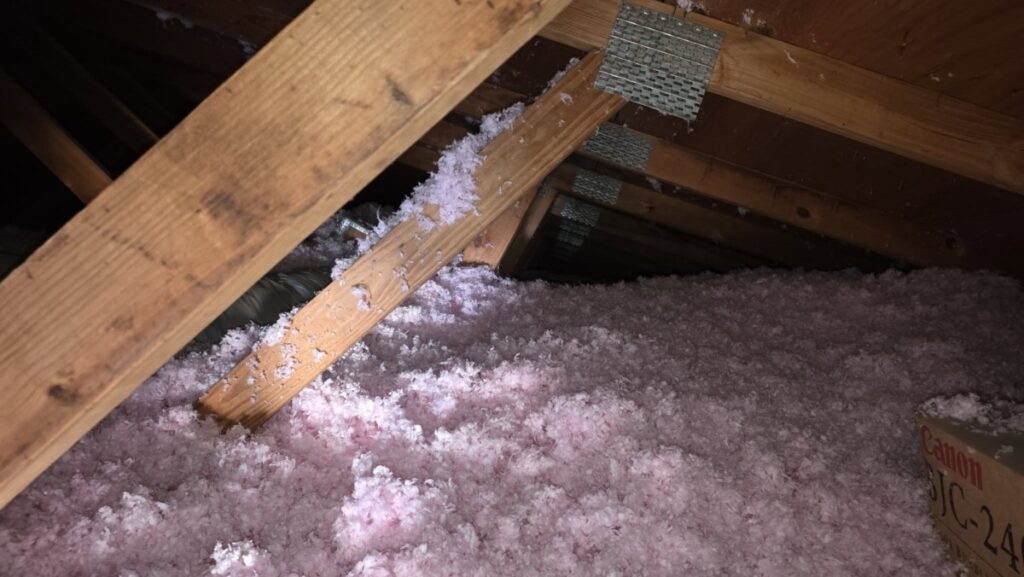
Signs Your North Texas Home Needs an Attic Insulation Upgrade
Attic insulation creates a thermal barrier that slows heat transfer between your living space and the outdoors. When insulation levels are insufficient, your HVAC system may have to work harder to maintain your desired indoor temperature.
For homeowners in Plano, Frisco, McKinney, Allen, Wylie, and surrounding North Dallas communities, proper attic insulation is particularly important because of the region’s significant seasonal temperature changes.
1. What Are the Warning Signs of Insufficient Attic Insulation?
The most common signs of inadequate attic insulation are inconsistent indoor temperatures, increasing utility bills, and longer heating and cooling cycles.
Homeowners should watch for these warning signs:
- Uneven room temperatures: Certain rooms feel warmer or colder than others, particularly on the second floor.
- Higher energy bills: Heating and cooling expenses increase without significant changes in household habits.
- Long HVAC run times: Your air conditioner or furnace struggles to maintain the thermostat setting.
- Uncomfortable upstairs rooms: Bedrooms and living spaces become excessively warm during the summer.
- Cold rooms during winter: Indoor temperatures drop quickly when your heating system cycles off.
- Exposed ceiling joists: Existing attic insulation appears thin or does not adequately cover the attic floor.
While these symptoms may indicate insufficient insulation, they can also result from ductwork problems, air leaks, or HVAC equipment issues. A professional evaluation can help identify the underlying cause.
2. How Much Attic Insulation Do North Texas Homes Need?
Many North Texas homes can benefit from attic insulation levels between R-30 and R-60, depending on the home’s construction, existing insulation, and energy efficiency needs.
R-value measures insulation’s resistance to heat flow. The higher the R-value, the greater the resistance to heat transfer.
The U.S. Department of Energy recommends selecting insulation levels based on your home’s climate zone and existing insulation.
Several factors determine how much additional blown-in fiberglass insulation your attic may need:
- Existing insulation depth and R-value
- Age and condition of the insulation
- Attic size and construction
- Gaps or uneven insulation coverage
- Household energy efficiency goals
Because fiberglass insulation products vary in their R-value per inch, insulation depth alone is not always an accurate measure of performance.
Williams Air offers multiple insulation R-value options to help homeowners achieve an appropriate level of thermal protection for their homes.
3. How Can You Check Your Existing Attic Insulation?
A basic visual inspection can help identify obvious insulation deficiencies, although a professional assessment provides a more accurate evaluation.
If you can safely view your attic from the access opening, look for exposed ceiling joists, thin or uneven insulation, compressed material, and areas with little or no coverage.
You should also look for signs of moisture or water damage. Roof leaks and moisture problems should be addressed before installing additional insulation.
Avoid walking across unfinished attic floors or disturbing unfamiliar insulation materials. Electrical wiring, hidden openings, and unsupported surfaces can create safety hazards.
A professional insulation assessment can determine whether your existing insulation is performing adequately and whether additional blown-in fiberglass insulation would benefit your home.
4. Why Is Blown-In Fiberglass Insulation a Good Choice for North Texas Homes?
Blown-in fiberglass insulation provides effective thermal protection by filling irregular spaces and creating a consistent layer of insulation across the attic floor.
Using specialized installation equipment, loose fiberglass material is distributed around framing and other attic obstacles, helping improve coverage in areas that may be difficult to insulate with traditional fiberglass batts.
The benefits of blown-in fiberglass insulation include:
- Improved year-round indoor comfort
- Reduced heating and cooling demands
- More consistent temperatures throughout the home
- Noncombustible fiberglass material
- Effective coverage in hard-to-reach spaces
- Long-lasting thermal performance
Properly installed fiberglass insulation can last 20 to 30 years or longer when kept dry and undisturbed.
In many cases, new blown-in fiberglass insulation can be installed directly over existing insulation, provided the original material is in suitable condition. Many installations can also be completed within a few hours, depending on attic size and condition.
5. Can Adding Attic Insulation Reduce Your Energy Bills?
Adding attic insulation can help lower heating and cooling costs by reducing unwanted heat transfer and decreasing the workload on your HVAC system.
According to ENERGY STAR, homeowners can save an average of 15% on heating and cooling costs through a combination of air sealing and insulation improvements in key areas of the home.
During a North Texas summer, adequate attic insulation helps slow heat transfer into your living spaces. During winter cold fronts, it helps retain the warmth produced by your heating system.
Although individual energy savings vary, improving insufficient attic insulation can help reduce unnecessary energy consumption, improve indoor comfort, and potentially reduce wear on heating and cooling equipment.
Frequently Asked Questions About Blown-In Attic Insulation
Can you add blown-in fiberglass insulation over existing insulation?
Yes. Blown-in fiberglass insulation can often be installed over existing insulation if the original material is dry, uncontaminated, and in suitable condition.
How long does blown-in fiberglass insulation last?
Properly installed blown-in fiberglass insulation can last 20 to 30 years or longer when protected from moisture, contamination, and excessive disturbance.
Does attic insulation help during both summer and winter?
Yes. Attic insulation slows heat transfer into your home during summer and helps retain indoor heat during winter, improving year-round comfort.
How long does it take to install blown-in attic insulation?
Many residential blown-in fiberglass insulation installations can be completed within a few hours. Installation time depends on attic size, accessibility, existing insulation, and preparation requirements.
Improve Your Home’s Comfort from the Top Down with Williams Air
Your HVAC system should not have to compensate for inadequate attic insulation. If your home experiences uneven temperatures, rising energy bills, or difficulty staying comfortable during extreme Texas weather, it may be time to evaluate your insulation.
Williams Air provides professional blown-in fiberglass insulation services throughout North Dallas and Collin County. By combining expert heating and cooling services with attic insulation solutions, we help homeowners create more comfortable, energy-efficient living spaces throughout every season.
Ready to improve your home’s comfort and energy efficiency? Contact Williams Air today to learn more about our professional blown-in fiberglass insulation services.