
How Does Insulation Improve Your HVAC System’s Performance?
Proper insulation improves your HVAC system’s performance by slowing heat transfer, allowing your heating and cooling equipment to maintain indoor temperatures with less effort. Better insulation reduces energy consumption, extends HVAC lifespan, improves comfort, and can significantly lower monthly utility bills.
At Williams Air, we believe true home comfort starts with more than just your heating and cooling equipment. Your HVAC system and your home’s insulation work together as one complete comfort system. Even the most efficient air conditioning installation or heating installation cannot perform at its best if your attic allows conditioned air to escape. That’s why our Total Home Comfort lineup includes professional blown in insulation alongside expert hvac maintenance, hvac repair, air conditioning repair, and heating service. By improving your home’s insulation, we help homeowners maximize comfort, reduce energy waste, and get the most from their HVAC investment.
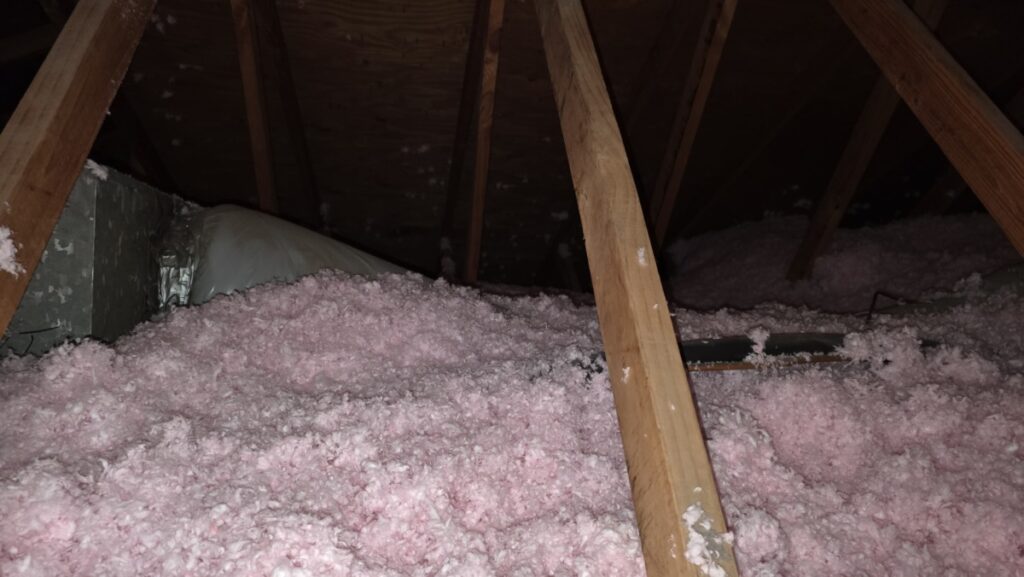
Why Proper Insulation Makes Your HVAC System More Efficient
Insulation serves as your home’s thermal barrier. Instead of letting outdoor temperatures quickly affect your indoor environment, it slows the movement of heat, making it easier for your HVAC system to maintain comfortable temperatures.
According to the U.S. Department of Energy, homeowners can reduce heating and cooling costs by up to 20% through proper insulation and air sealing, depending on the home’s existing condition. Better insulation also reduces the workload placed on HVAC equipment throughout the year.
Why does poor insulation make your HVAC system work harder?
Poor insulation allows conditioned air to escape while outdoor heat or cold enters your home.
When this happens, your HVAC system must:
- Run longer cooling and heating cycles
- Cycle on and off more frequently
- Consume more electricity
- Experience greater wear on motors and compressors
- Struggle to maintain even temperatures throughout the home
Over time, these conditions increase operating costs and shorten equipment life.
Can adding attic insulation lower your energy bills?
Yes. Improving attic insulation is one of the most cost-effective ways to increase HVAC efficiency.
According to ENERGY STAR, sealing air leaks and adding insulation can save homeowners an average of 15% on heating and cooling costs, while many homes remain under-insulated. Because heat naturally rises, the attic is often one of the largest sources of energy loss.
Williams Air provides professional blown in insulation that helps:
- Reduce heat gain during summer
- Minimize heat loss during winter
- Improve indoor comfort
- Lower monthly utility bills
- Reduce strain on your HVAC equipment
Proper insulation allows your air conditioner and furnace to work smarter instead of harder.
How does insulation improve indoor comfort?
Insulation creates more consistent temperatures throughout your home.
Without adequate insulation, rooms located near attics, garages, or exterior walls often become much hotter or colder than the rest of the house. Improved insulation helps eliminate many of these uncomfortable hot and cold spots while also reducing drafts and improving humidity control.
Many homeowners notice:
- More even temperatures between rooms
- Less frequent HVAC cycling
- Quieter system operation
- Improved comfort during extreme weather
- Better indoor humidity levels
Should you upgrade insulation before replacing your HVAC system?
In many cases, yes.
A home with poor insulation may require a larger HVAC system simply because too much conditioned air escapes. Improving insulation first often reduces your home’s heating and cooling load, allowing your current system to perform more efficiently or enabling a properly sized replacement system.
Williams Air evaluates your home’s entire comfort system, not just the equipment, helping homeowners make smart long-term investments.
What are the signs your home needs more insulation?
Several warning signs indicate your insulation may no longer be performing effectively.
Watch for:
- High utility bills
- Uneven room temperatures
- HVAC equipment running constantly
- Hot upstairs rooms during summer
- Cold drafts during winter
- Ice dams or excessive attic heat
- Older insulation that has settled over time
If you notice several of these issues, an insulation inspection may be just as important as scheduling hvac service or air conditioning repair.
Frequently Asked Questions
How long does blown-in insulation last?
Blown-in fiberglass insulation can last 20 years or longer when it remains dry and undisturbed. However, it may settle over time, reducing its effectiveness and making periodic inspections worthwhile.
Can insulation reduce HVAC repair costs?
Yes. Better insulation reduces the workload on your heating and cooling equipment, which can decrease wear and tear and lower the likelihood of costly repairs.
Is attic insulation worth the investment?
For many homeowners, yes. Lower energy bills, improved comfort, and reduced HVAC strain often make attic insulation one of the highest-return home efficiency upgrades.
Will insulation help during both summer and winter?
Absolutely. Insulation slows heat transfer year-round, helping keep heat outside during summer and inside during winter, making your HVAC system more efficient in every season.
Complete Your Home Comfort System with Williams Air
Your HVAC equipment is only as effective as the home surrounding it. By combining professional blown in insulation, routine hvac maintenance, expert air conditioning repair, heating service, and complete HVAC solutions, Williams Air helps homeowners enjoy greater comfort, lower energy costs, and longer-lasting equipment.
Ready to improve your home’s comfort and HVAC efficiency? Contact Williams Air today to schedule an insulation assessment or HVAC evaluation through our Contact Page.